
Mixing Epoxy

I will be using Epoxy with Slow hardener coming up on my molds (which I plan to vacuum bag) once everything is laid up and in place.

This might be the most basic of questions, but here goes:

My question is about mixing the epoxy… I have only ever mixed up small batches by hand, and they always look like they have tons of air bubbles in them. My parts come out nice, but then again, they are small parts where strength isn’t so much an issue. This project I am taking on, strength is of the up most concern!

What is the proper way for mixing Epoxy so it looks crystal clear (or close to)?

Something like this and a drill?:
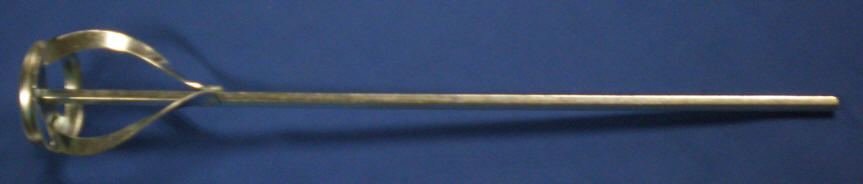
Thanks for your time everyone (and lets not turn this into a why am I using Epoxy for my molds thread please ;)).

-Andrew

mix by hand, two cups. mix well in the first, transfer to the second and mix again well. only mix in small patches. never large unless you can consume it quickly.

vacuum degass your mixed epoxy. 3-5 minutes in vacuum… fill the cup only half way or less, else it may overflow during degassing.

I plan on buying a dedicated small vacuum pump and pot to degass resin.

hijack

depends on your pump and your resin. I had one Huntsman that i can have 1/10 volume in the cup, and it would bubble over!!! Hated that crap. Also was thicken than honey at RT.
You should degas it, let the bubbles rise, and then when it drops by itself, it’s done. No need to vacuum out every remaining bubble, this “boil” is only the dissolved gas in the resin, not the big bubbles.

If you’re worried about void content you should start practicing infusion. Vacuum bagging is prone to voids and gaps due to the nature of the layup. Infusion eliminates many of those problems.

This thread is meant more towards the molds themselves but concerning the final part itself:

I am worried about spending thousands on materials (carbon/resin) only for something to go wrong. i.e. resin doesn’t hit all the areas, dry spots, etc.

I have never even vacuum bagged before, let alone jumped into infusion.

I do have the confidence though to jump in head first if I knew what the layup schedule should be for this project / how to incorporate a core material to ensure proper saturation. That is the only thing really holding me back.

My mistake. I should have read more closely.

In that case I second all the above advice. If you want the bubbles to come out faster heat up the epoxy to lower the viscosity and make it easier for the bubbles to flow out.

no worries, appreciate you chiming in!

will heating up the resin cause it to start curing faster though?

what is the best way to “heat” it?

i am hoping to make it down to Michigan Fiberglass Works on Sunday - Chris (owner I believe) said he’ll probably be down there working on a vacuum infusion project. REALLY want to check that out and also pick up my first batch of materials.

-Andrew

You can heat it up with either a hair dryer, but keep moving it around the outside of the container, dont keep it in one place for to long.

Or put your resin pot in a warm tub of water. Being careful not to contaminate your resin with the water.

Warming the resin will shorten the pot life of your resin. But by very little